

E44: Why Money Still Feels Unsafe (Even When You’re Doing “Well”)
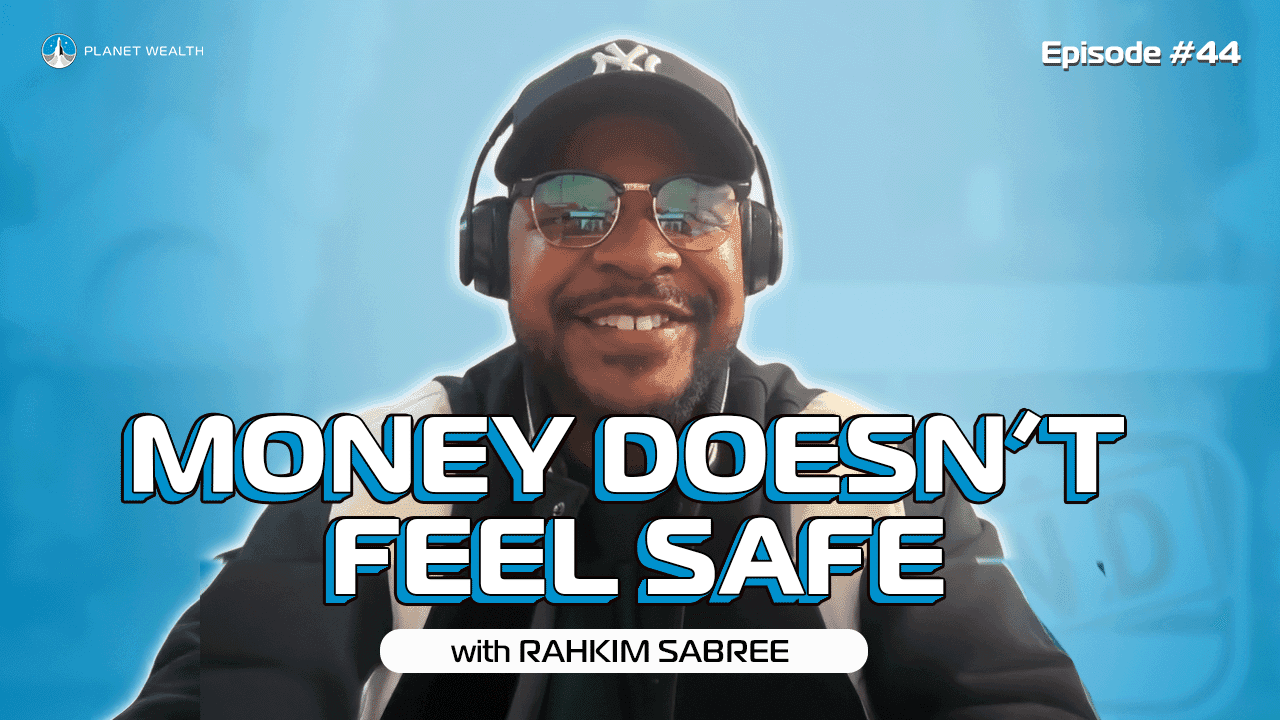
Rahkim Sabree, financial therapist and author of Overcoming Financial Trauma, joins Mary Kathryn Johnson (Planet Wealth CXO) to unpack the hidden forces shaping your relationship with money. Rahkim explains why financial trauma is not just a budgeting problem but a nervous system problem, and why financial wellness often requires more than financial literacy. If you have ever felt anxiety opening your bank app, guilt after spending, or shame about your “status,” this conversation reframes those reactions as learned survival responses, not character flaws.
Rahkim breaks down how our earliest money memories form beliefs that can stick for decades, and how those beliefs show up as patterns in adulthood, even for high earners. He shares research-informed insights on financial socialization, the fight-flight-freeze response to money stress, and how intergenerational experiences can influence our money vigilance. Then he offers a practical framework from his book: the Three E’s of overcoming financial trauma, Exposure, Education, and Execution. The goal is not to become emotionless about money, but to build safety, clarity, and alignment so your decisions stop being driven by fear.
Mary adds personal examples of how childhood messages about “rich people” shape identity, self-worth, and wealth-building confidence. Together they explore the shift from scarcity and survival mode into values-based wealth building, including how to communicate financial boundaries without feeling smaller in the eyes of others. Rahkim also challenges the idea that money trauma only affects people who “don’t have enough,” describing how wealth can still coexist with hypervigilance, hustle culture, and a constant sense that safety is always one step away.
If you want to build wealth without dragging shame, fear, or old narratives into every decision, this episode gives you language, tools, and a clear starting point. Watch the full episode of Fortunes of the Brave for the complete framework.
Key Takeaways:
- Identify your earliest money memories to expose the narratives driving your behavior
- Notice how money stress shows up in your body and treat it like a threat response
- Use the Three E’s framework to move from awareness to action without shame
- Align goals and values to reduce guilt and stop self-sabotage spending patterns
- Build a money-safe culture in your home and community to heal collectively
Resources Mentioned:
Overcoming Financial Trauma (Rahkim Sabree, Wiley, published November 2025)
Let’s Get Social: